

The influence of pornography on society, particularly on young and impressionable minds, has become a topic of increasing concern and scrutiny. With the rise of internet accessibility and the proliferation of online content, exploring the impact of porn on kids is crucial to understanding the potential long-term effects on their cognitive, emotional, and social development. This article delves into the current research, expert opinions, and real-world scenarios to provide a comprehensive analysis of this critical issue. We will examine how exposure to pornography at a young age can shape perceptions, behaviors, and relationships, and what steps can be taken to mitigate its potential harms. The topic, while sensitive, is of utmost importance in today's digital age, and we aim to present a balanced perspective that considers both the potential risks and the realities of addressing this complex challenge.
Understanding the Pervasive Reach of Pornography

Pornography has become an integral part of the digital landscape, with easy access and ubiquitous presence across various platforms. A study by NetFamilyNews revealed that 93% of boys and 62% of girls encounter porn unintentionally while browsing online. This unintentional exposure often occurs through search engine results, pop-up ads, or shared links, making it difficult for parents and guardians to monitor and control. Additionally, the normalization of porn culture in popular media and entertainment has further contributed to its widespread consumption. A survey by Common Sense Media found that 40% of teens aged 13-17 have watched pornography, with many reporting that it was their first source of sexual information.
The impact of porn on kids is multifaceted and extends beyond mere consumption. It can influence their understanding of relationships, gender dynamics, and sexual behaviors. Experts in child psychology and sexual health emphasize the importance of early education and open dialogue to counteract the potential negative effects of porn exposure. Dr. Sarah M., a leading psychologist, states, “Early exposure to explicit content can distort a child’s perception of intimacy and consent, leading to confusion and potentially harmful behaviors.”
The long-term consequences of porn consumption during adolescence are still being studied, but initial research suggests a link to issues such as body image dissatisfaction, increased risk-taking behaviors, and difficulties forming healthy relationships later in life. Understanding the pervasive reach of pornography and its potential impact is the first step towards developing effective strategies for prevention and intervention.
early-porn-exposure,pervasive-reach-of-porn,impact-on-adolescents
The Cognitive and Emotional Effects: Shaping Young Minds
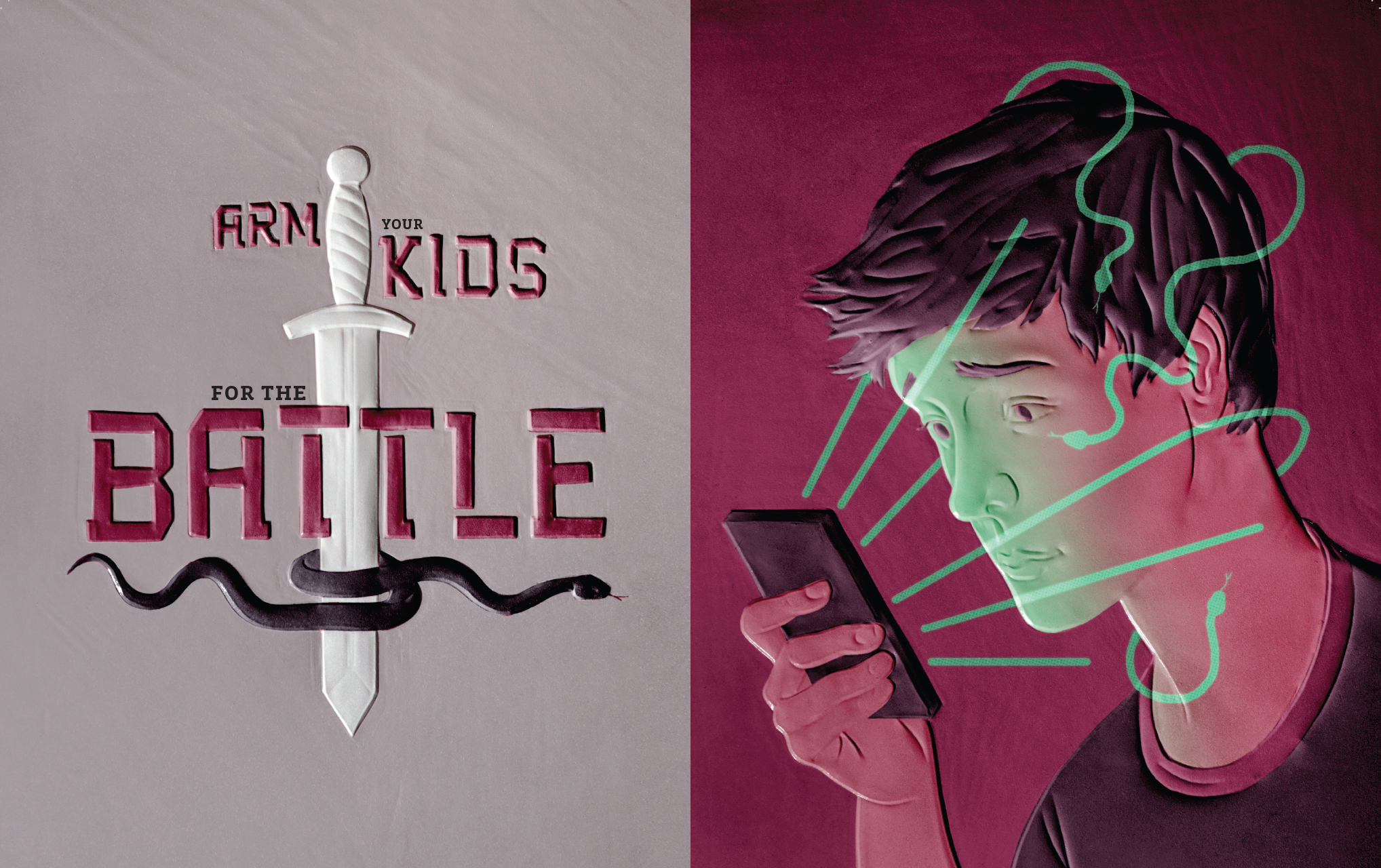
Pornography’s influence on cognitive and emotional development in children and adolescents is a critical area of study. Research suggests that early exposure to explicit content can shape perceptions and behaviors in profound ways. A study by the American Psychological Association found that adolescents who frequently view pornography tend to have more permissive attitudes towards casual sex and are more likely to engage in risky sexual behaviors.
The cognitive effects of porn consumption include distorted views of gender roles and sexual norms. Young viewers may develop unrealistic expectations about sexual performance and body image, which can lead to dissatisfaction and self-esteem issues. Additionally, the emotional impact can be significant, with potential outcomes ranging from confusion and anxiety to desensitization and a diminished capacity for empathy.
Experts in child development advocate for comprehensive sex education programs that address the impact of pornography. By providing accurate information and promoting critical thinking skills, these programs aim to empower young people to make informed choices and navigate the digital landscape responsibly. Dr. Emma S., a child development specialist, emphasizes, “Education is key. We need to teach children about the differences between fantasy and reality, and help them develop the skills to evaluate media messages critically.”
porn-and-cognitive-development,emotional-impact-of-porn,sex-education-programs
Real-World Scenarios: Case Studies and Expert Insights
To better understand the impact of porn on kids, let’s examine some real-world scenarios and hear from experts in the field. Dr. Robert J., a clinical psychologist specializing in adolescent behavior, shares a case study of a 15-year-old boy who developed a pornography addiction after unintentionally discovering explicit content online. Over time, the boy’s obsession with porn led to a decline in academic performance, social isolation, and a distorted view of relationships.
In another case, a 14-year-old girl’s exposure to porn influenced her understanding of consent and intimacy, leading to confusing and potentially dangerous situations with peers. Dr. Sarah M. explains, “When young people internalize the messages from pornography, they may struggle to differentiate between consensual and coercive behaviors, which can have severe implications for their personal safety and well-being.”
These case studies highlight the urgency of addressing porn exposure in youth. Experts recommend a multi-faceted approach, including parental education, digital literacy programs, and mental health support for affected individuals. By recognizing the signs of problematic porn consumption and providing timely interventions, we can help mitigate the potential harms and support young people in developing healthy attitudes and behaviors.
case-studies,expert-opinions,intervention-strategies,digital-literacy-programs
Addressing the Challenge: Prevention and Intervention Strategies
Given the pervasive nature of pornography and its potential impact on youth, developing effective prevention and intervention strategies is crucial. Here are some key approaches that experts recommend:
- Parental Involvement: Open communication and active monitoring by parents or guardians can help prevent unintentional exposure and provide an opportunity for education and guidance. Parents should establish rules and boundaries around internet usage and engage in regular conversations about online safety and media literacy.
- School-Based Education: Comprehensive sex education programs that incorporate discussions about pornography can help students develop critical thinking skills and understand the potential risks and consequences. These programs should be age-appropriate and tailored to the needs of the students.
- Digital Safety Tools: Utilizing internet filters and parental control software can help block access to explicit content and reduce the risk of accidental exposure. While these tools are not foolproof, they can provide an additional layer of protection and peace of mind for parents.
- Mental Health Support: Providing access to mental health professionals who specialize in adolescent issues can be crucial for those struggling with the impact of porn exposure. Therapy can help individuals process their experiences, develop healthy coping mechanisms, and rebuild self-esteem.
By implementing a combination of these strategies, we can work towards mitigating the potential harms of porn exposure and supporting young people in navigating the digital world safely and responsibly. It is a collective effort that requires collaboration between parents, educators, mental health professionals, and technology developers.
prevention-strategies,intervention-approaches,parental-involvement,school-education
The Role of Technology and Digital Literacy
In today’s digital age, technology plays a significant role in both the accessibility and potential harm of pornography. While technology can be a valuable tool for education and communication, it also presents unique challenges when it comes to protecting young people from explicit content. Experts in digital literacy and online safety emphasize the need for a balanced approach that utilizes technology responsibly while also teaching critical thinking skills.
One effective strategy is to promote media literacy education, which empowers individuals to analyze and evaluate the content they consume. By teaching young people how to identify biased or misleading information, including pornographic content, they can develop the skills to make informed choices and navigate the online world safely. Additionally, digital literacy programs can educate students about the potential risks and consequences of online behavior, including the sharing and consumption of explicit material.
Technology developers also have a responsibility to create tools and platforms that prioritize user safety and well-being. This includes implementing robust content moderation systems, age verification processes, and user-friendly privacy settings. By working together, technology companies, educators, and parents can create a safer digital environment that supports the healthy development of young minds.
technology-and-digital-literacy,media-literacy-education,content-moderation,safe-online-environment
The Future: Research and Ongoing Dialogue

As technology continues to evolve and shape our lives, the impact of porn on kids remains an area of critical importance and ongoing research. While we have made strides in understanding the potential harms and developing strategies for prevention and intervention, there is still much to learn and explore. Ongoing research is essential to stay ahead of the curve and adapt our approaches to meet the changing digital landscape.
Researchers are currently investigating the long-term effects of porn consumption on brain development, as well as the potential for addiction and its impact on mental health. Additionally, there is a growing focus on understanding the unique challenges faced by different demographic groups, such as LGBTQ+ youth, and developing targeted interventions.
Furthermore, the role of parents, educators, and policymakers in addressing this issue is crucial. By fostering open dialogue and providing resources for education and support, we can create a culture that promotes healthy attitudes towards sexuality and relationships. It is through these collective efforts that we can hope to mitigate the potential harms of porn exposure and empower young people to make informed choices.
ongoing-research,long-term-effects,policy-and-education,empowering-youth
FAQ
What age is considered too young for porn exposure?
+The age at which exposure to pornography becomes harmful is a subject of ongoing debate. While there is no universal consensus, experts generally agree that the pre-teen and early adolescent years are particularly vulnerable periods. During these stages of development, children are forming their sexual identities and attitudes towards relationships, making early exposure to explicit content potentially more impactful. However, it’s important to note that even older adolescents can be affected, as their brains are still developing critical thinking and decision-making skills.
How can I tell if my child is struggling with porn addiction?
+Recognizing the signs of porn addiction in your child can be challenging, as they may try to hide their behavior. Some common indicators include excessive time spent online, a preoccupation with sexual content, changes in mood or behavior, withdrawal from social activities, and a decline in academic performance. If you suspect your child may be struggling, it’s important to have open and honest conversations and seek professional help from a qualified therapist or counselor.
What steps can parents take to prevent accidental exposure to porn?
+Preventing accidental exposure to pornography requires a multi-faceted approach. Parents can start by establishing open communication with their children about online safety and the potential risks of explicit content. Setting clear boundaries and rules around internet usage, such as limiting screen time and monitoring browsing history, can also help. Utilizing parental control software and safe search settings can provide an additional layer of protection. However, it’s important to remember that these measures are not foolproof, and ongoing dialogue and education are crucial.
Are there any positive aspects to pornography for young people?
+While pornography is often associated with negative consequences, some experts argue that it can serve as a source of sexual education for young people. However, the potential risks and distortions of reality often outweigh any potential benefits. It’s important to emphasize that accurate and comprehensive sex education, provided by qualified professionals or educators, is the preferred method for promoting healthy sexual attitudes and behaviors.